Instructions for Locating the Correct General Contractor for Your Next Home Project
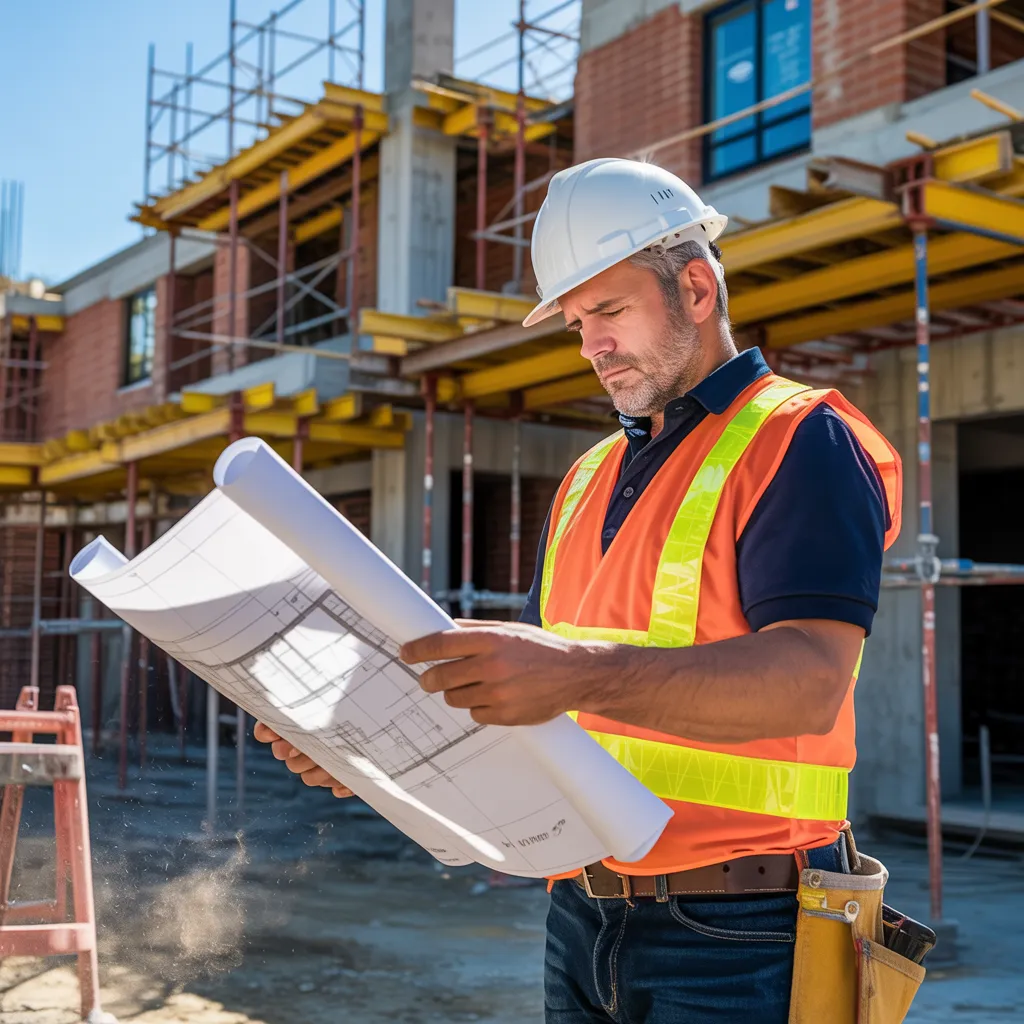
Finding the most suitable general contractor for your home project is a essential choice. It involves detailed consideration of multiple aspects, including work background, certifications, and dialogue capabilities. Many property owners neglect significant details, leading to major financial setbacks. Grasping how to analyze candidate professionals can make all the difference. By emphasizing core criteria and asking pertinent questions, you can navigate this complex situation more proficiently. What are the key procedures to verify a productive relationship?
How to Avoid Ordinary Pitfalls When Choosing a Professional
When selecting a contractor, how can one manage the myriad of choices without making frequent pitfalls? Prospective clients often ignore key elements that can result in disappointing experiences. First, considering price alone can be misleading; the cheapest offer may indicate low-grade work or hidden costs. Additionally, neglecting to check references or online reviews can result in hiring a contractor with a poor track record. It is also crucial to avoid making decisions based on charisma alone; a personable contractor may not demonstrate competence or trustworthiness. Moreover, failing to establish clear communication and expectations can cause confusion and disappointment. Finally, neglecting to carefully read agreements before signing can lead to surprise liabilities or inadequate coverage. By being alert and aware, homeowners can make more confident decisions, in the end creating a triumphant project.
How to Assess a Contractor's Qualifications
When gauging a contractor's experience, multiple vital factors are important. Prior experience on comparable projects, industry certifications, and an extensive portfolio of completed work indicate key benchmarks of their proficiencies. Reviewing these aspects can provide important understanding into the contractor's compatibility for the particular project at hand.
Relevant Project Experience
Grasping a contractor's applicable background is essential for ensuring the accomplishment of any building venture. Future clients should review the contractor's portfolio, emphasizing on completed projects equivalent in scope and character to theirs. This requires examining the excellence of work, observance to deadlines, and cost control in previous undertakings. Additionally, it is beneficial to request about the varieties of materials used and the contractor's understanding with local building codes and requirements. Testimonials and recommendations from previous clients can deliver insights into the contractor's trustworthiness and soft skills. Ultimately, a contractor with significant relevant experience can manage challenges productively, ensuring the project fulfills the homeowner's expectations and benchmarks.
Sector Qualifications And Authorizations
Certification and permit requirements function as critical markers of a contractor's professionalism and expertise in the construction industry. When choosing a general contractor, it is crucial to verify that they possess the necessary licenses required by local and state regulations. These licenses demonstrate compliance with building codes and safety standards. Additionally, industry certifications, such as those from the National Association of Home Builders or similar organizations, reflect a contractor's dedication to quality and ongoing education. Contractors with specialized certifications may also possess skills in specific areas, such as green building or remodeling. Verifying that a contractor has the appropriate credentials not just improves confidence in their capabilities but also reduces potential legal and financial risks during the project.
Portfolio Of Done Work
A builder's portfolio featuring finished projects acts as a important resource for measuring their expertise and skills. This selection needs to display a mix of projects that illustrate range in different styles and levels of difficulty. When considering a portfolio, potential clients must check for high-quality photographs that accurately show the skill involved. It is also valuable to see projects that correspond to the homeowner's particular requirements or aesthetic preferences. Attention to detail, ingenious solutions, and sticking to timelines are critical signs of a contractor’s expertise. Additionally, client feedback or case studies in the portfolio can give greater insights into the contractor's work ethic and trustworthiness. Ultimately, a comprehensive portfolio helps homeowners take educated decisions regarding their forthcoming projects.
How to authenticate Your Contractor's Credentials and Permits
Before hiring a general contractor, it is crucial to verify their qualifications and certifications to ensure they fulfill industry standards. Commence by reviewing with local licensing boards to ensure that the contractor maintains the necessary licenses for your area and project type. Each state has its own standards, so understanding these can avert future issues.
Additionally, request information regarding insurance protection, encompassing liability and workers' compensation, to confirm coverage against potential accidents or damages. Solicit references from former clients and follow up to evaluate satisfaction and reliability.
Ultimately, inspect any certifications the contractor may hold, as these often reveal professional development and commitment to industry best practices. A detailed verification process not only assures compliance but also fosters trust in the contractor's ability to complete the project successfully.
Why Regular Communication Is Necessary in Your Contractor Relationship
Dialogue that is effective serves an important role in the contractor-client relationship, determining the project's achievement from the start. Clear dialogue establishes expectations, timelines, and budgets, ensuring both parties are in sync on the project's goals. When clients convey their vision effectively, contractors can provide informed recommendations and solutions, enhancing the overall result.
Frequent updates and open channels of contact enable timely resolution of concerns as they develop, curtailing likely holdups. Additionally, a professional who hears and responds to client feedback strengthens trust, which is paramount for collaboration.
In addition, robust communication aids in addressing modifications and surprise obstacles, holding the undertaking on track. It permits the builder to modify strategies based on customer feedback, guaranteeing approval across all phases. Ultimately, prioritizing engagement not only solidifies the professional-homeowner bond but also greatly supports the effective completion of the home renovation.
Fundamental Points to Request of Your Contractor in Preliminary Meetings
When meeting for the first time with a contractor, clients need to understand their credentials. It's important to inquire about the project timeline and get the full story budget to ensure alignment with the client's expectations. These questions create a foundation for a effective partnership and smooth project management.
Experience and Credentials
Selecting a general contractor depends on knowing their experience and credentials. Homeowners should inquire about the contractor's time of experience and the kinds of jobs they have completed. Specific questions regarding permits, certifications, and insurance are essential, as these guarantee adherence to local laws and provide security throughout the work. Additionally, reviewing past work through portfolios or recommendations can offer insight into the contractor's skill and reliability. It is also beneficial to ask about their familiarity with similar projects, as this can indicate their capability to handle specific challenges. Ultimately, assessing a contractor's background and credentials fosters confidence and helps homeowners make informed decisions about their home projects.
Project Timeline and Resource Allocation
How can homeowners ensure their project remains on track financially and temporally when meeting with a construction contractor? To preserve consistency, they should ask significant questions during first consultations. Property owners must ask regarding the estimated timeline for completion of the work and any possible setbacks that could arise. Comprehending the contractor's method to schedule management is essential. Additionally, discussing the finances upfront is important; property owners should seek clarity on pricing estimates, payment schedules, and any built-in contingency funds for unexpected costs. Inquiring into previous projects can provide insight into the contractor's dependability in meeting deadlines and maintaining budget constraints. By establishing clear communication regarding timelines and finances, property owners can foster a productive relationship with their builder, improving the probability of a completed project that meets expectations.
Tips for Checking References and Reading Reviews
What steps should one follow to ensure a general contractor is reliable? First, it is essential to request a list of references from potential contractors. A established contractor will willingly supply names and contact information of previous clients. One should call these references to question their experiences, emphasizing aspects such as communication, quality of work, and punctuality.
Furthermore, reviewing online opinions on websites like Google, Yelp, or Angie's List can supply beneficial details. It is vital to search for recurring themes in the reviews—steady positive or negative feedback can reveal credibility or potential concerns.
Furthermore, examining for any complaints submitted with local regulatory bodies or consumer protection agencies can reveal a contractor's background. Finally, asking for recent project photos can help assess the caliber of their craftsmanship. By taking these steps, one can reach a more well-researched decision when selecting a general contractor.
Grasping Contractor Pricing Models and Settlement Terms
Homeowners should also get acquainted with typical payment terms. Most contractors demand a upfront deposit, followed by staged payments tied to project milestones. It's crucial to establish these terms before entering into an agreement to prevent misunderstandings. Additionally, homeowners should inquire about extra expenses, such as licenses or unforeseen maintenance. Clear communication concerning pricing and payment terms will foster a transparent working relationship, ultimately leading to a successful project outcome. Comprehending these elements empowers homeowners to choose wisely when selecting a general contractor.
Commonly Asked Questions
What schedule should you expect for project conclusion?
The timeline of the project often fluctuates according to how complex and extensive the project is. As a rule, completion might take several weeks to months. Climate factors, material supply, and workforce resources can greatly impact when the project finishes.
What Occurs if Unanticipated Complications Arise During Building?
If unexpected issues arise during building, the builder usually assesses the situation, discusses with the homeowner, and suggests remedies. Adjustments to the schedule and costs may be necessary, ensuring transparency throughout the process.
Is My Project Going to Need Permits or Inspections?
Most projects call for permits and inspections to guarantee compliance with local building codes. It is necessary to consult with a general contractor who knows these requirements, as they can navigate the permitting process effectively.
How Do You Deal With Subcontractors and Financial Obligations?
A reputable construction professional manages subcontractors by establishing explicit agreements outlining compensation schedules. They guarantee prompt payment, keep transparent dialogue, and track sub-contractor productivity, fostering a collaborative environment that aids in project success and productivity.
What Is Your Position on Project Changes or Upgrades?
The contractor adopts a adaptable strategy to modifications to projects, demanding written documentation for any improvements. They ensure transparent dialogue, assess financial consequences, and modify timelines in turn to meet the client's changing requirements and preferences.